Online booking vs phone booking: which one actually gets the job booked?
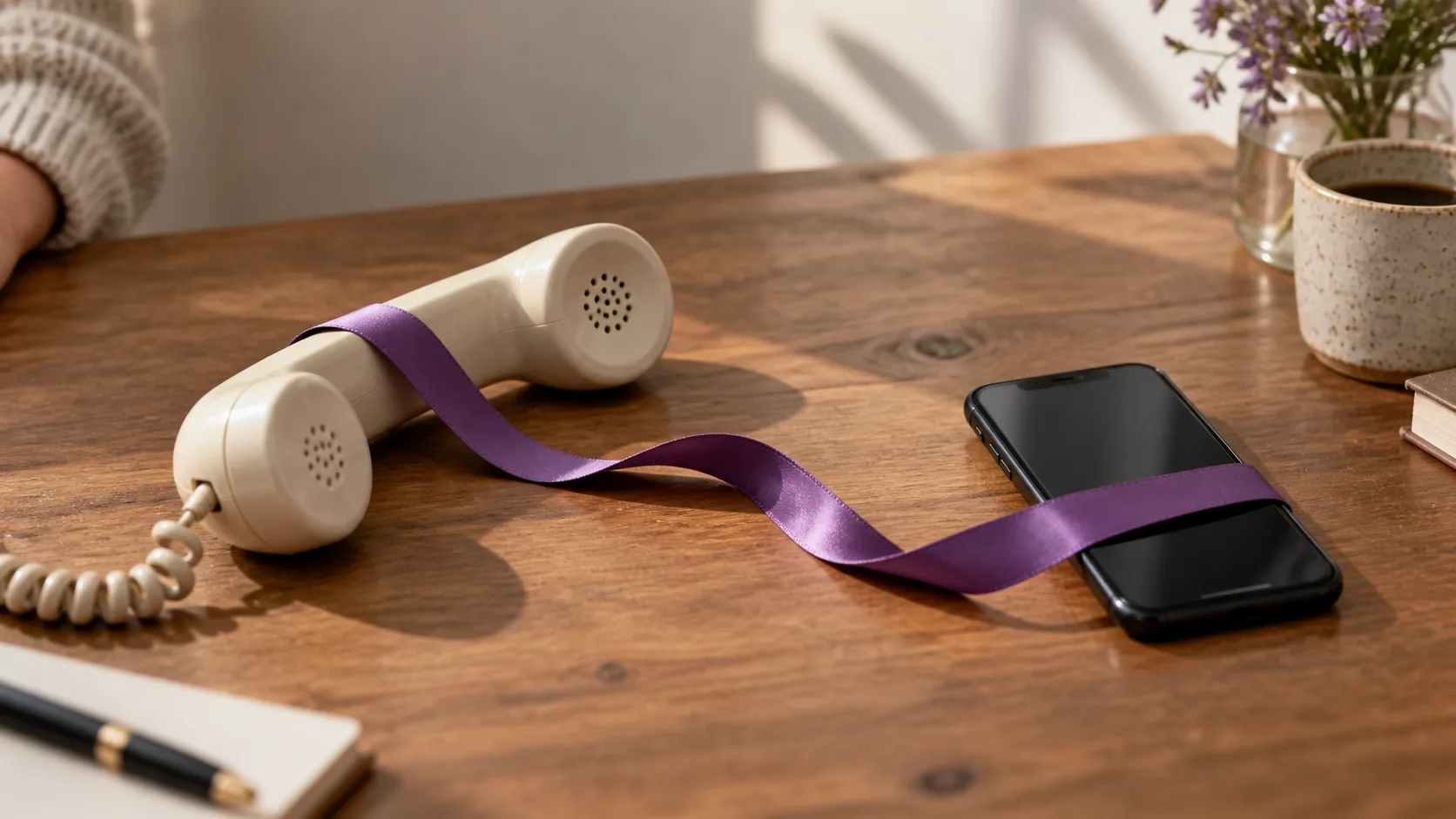
A customer wants a clean next Thursday. You're halfway through a bathroom, your phone is in another room, and by the time you call back they've found someone else.
You were doing the job. They were trying to book one. The problem was that both needed your attention at the same time.
Online booking lets customers choose and confirm suitable work themselves. Phone booking lets you ask questions, explain options and deal with jobs that need judgement. Most service businesses need both. The useful decision is which work belongs where.
What customers should be able to book themselves
Start with services you can describe, price and time reliably.
A standard haircut, a two-hour studio hire, a casual class or a regular three-bedroom clean can often follow a clear set of choices. The customer needs to know what's included, what it costs, when it's available and how to pay.
A contact form doesn't quite do this. If it ends with "We'll get back to you", you've collected an enquiry. Someone still has to get back to them.
A proper booking needs a confirmed service, a workable time and clear next steps.
Where the phone still earns its keep
Keep calls available for unusual work, customers who need help and situations where a misunderstanding would be expensive.
A leaking tap and water coming through the ceiling may both arrive under "plumbing". They deserve different conversations. A wedding venue enquiry might need a discussion about catering, access and guest numbers before you can offer a price.
Use a quote request or a paid assessment when you can't responsibly promise the price or duration. Don't force uncertain work into a fixed appointment just because the calendar has a gap.
Compare the whole cost
Phone bookings can involve several touches: a missed call, a callback, a text with the address, another message about price and a final confirmation.
For illustration, suppose 30 straightforward bookings take eight minutes each to organise. That's four hours of admin. If half can book themselves, you've released roughly two hours before allowing for setup and exceptions.
Time a few of your own bookings before doing the sums. Include callbacks and messages, not just the first conversation.
Track completed bookings as well as enquiries. A busy phone doesn't necessarily mean a healthy diary. Sometimes it means your website forgot to explain the parking.
Give customers one clear route
| The customer needs | A sensible starting point |
|---|---|
| A familiar service with a known price and duration | Instant online booking |
| A price for uncertain or unusual work | Quote request or assessment |
| Help choosing or completing the booking | Phone conversation, recorded in the same diary |
| Urgent help | A staffed contact route with honest response times |
For a cleaning business, that might look like this:
- Standard domestic clean: book online.
- Regular customer changing a visit: use the booking details or contact you.
- Unusual condition or specialist clean: request a quote.
- Customer who struggles online: call, and you enter the booking for them.
Keep every confirmed booking in the same schedule, regardless of where it started. Otherwise online availability will advertise the slot you promised someone over the phone ten minutes earlier.
Try one service first
Choose a familiar service and check the booking journey on your phone. Can a customer understand the price, select a suitable time and tell whether they're confirmed?
Bookables supports customer bookings and bookings you enter yourself. Its availability considers the service duration, assigned staff and relevant resources. Mobile work can also account for travel and territory rules.
See how Bookables online booking works, then create your account and set up one service. You can keep answering the phone. You may just get to finish the bathroom first.
Keep reading

How to take bookings while you're doing the actual work
Set up online bookings around your services, prices, travel and availability so customers can book while you're busy doing the job.
Your booking form is not a police interview: what should you actually ask?
Choose booking form questions that help you price, schedule and prepare for the work, without making customers complete an unnecessary questionnaire.

Fully booked? How to keep the lead without promising the impossible
Handle enquiries when your diary is full with clear requests, alternative times and a practical manual waiting list that avoids double bookings.