Booking software for solar panel cleaning.
Priced by the panel count, booked into the cool part of the morning, and moved without a phone call when the wind comes up.
 Start with Google
- Panel bands priced as separate services
- Storeys and pitch asked at booking, not on arrival
- Only the cool early slots offered
- A weather move that emails everyone for you
Online booking
Customers book themselves
Share your link and customers pick a service and slot at a price worked out for them, straight into your diary.
Learn moreSmart scheduling
Your day plans itself
Every booking lands on a routed timeline, so you spend less time driving and more time on the tools.
Learn moreBuilt for your trade
Built for every kind of solar panel cleaning business
Residential rooftop arrays
The standard job: sixteen to twenty-four panels on a single-storey tile roof, priced from the band the owner picks and booked for a Tuesday morning.
Two-storey and steep-pitch homes
Same panels, different day. Harness points, a taller ladder and more time, so it carries its own price rather than quietly eating the margin on the standard rate.
Commercial and warehouse arrays
Two hundred panels on a colorbond roof that has to be done outside operating hours. Too big for a band, so it goes out as a written quote with the access and the hours priced in.
Panel clean with a gutter clear
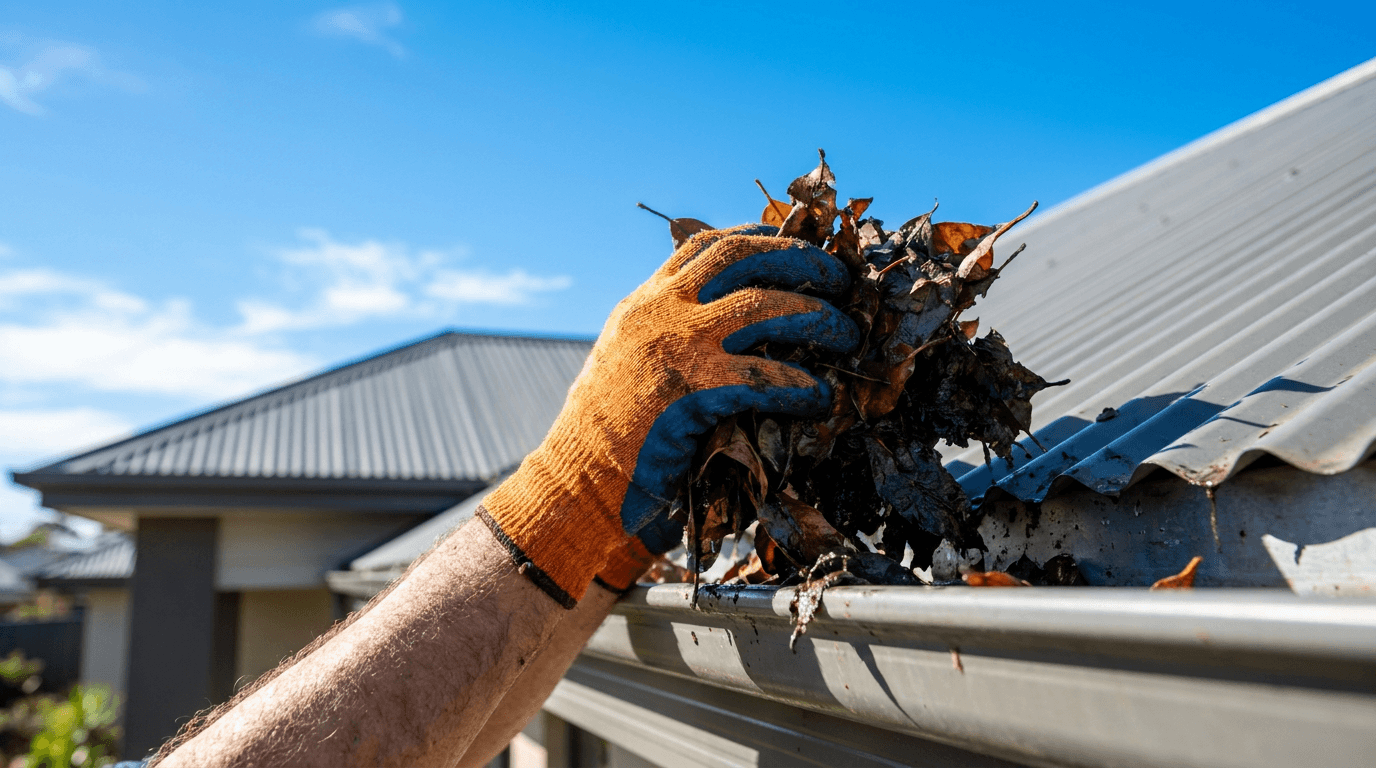
You are already up there with the ladder set. Offer the gutter clear as an option at booking so the second job is priced and agreed, not squeezed in for nothing.
See it in action
The whole job, in one app.
Priced and booked
Count the panels, price the job
Up-to-20 and 21-to-40 panel bands are priced services, so the figure a customer sees when they book from their inverter app is the figure that is charged, with the total worked out on our side.
Scheduled and dispatched
Only the cool morning slots on offer
Availability is set to the hours the glass is actually safe to work, so the booking page simply will not offer a one oclock in February.
- 1Up to 20 panelsCastle Hill07:00~9 min
- 221 to 40 panelsBaulkham Hills08:30~6 min
- 3Gutter clear add-onBaulkham Hills10:00
On the day
A wind warning moves the morning, not the job
Drag the affected bookings to the next workable day on the calendar and every owner is emailed the new time, turning a lost run into a Thursday that happened.
- 21 to 40 panelsBand rateA$340
- Two-storey accessOptionA$90
- Gutter clearAdd-onA$120
Get paid
A steep pitch is a different price
Storeys and roof pitch are priced options chosen at booking, so a two-storey thirty-degree job is never quietly absorbed into the standard single-storey rate.
Less admin, more bookings
Made for solar panel cleaning businesses
Count the panels, price the job
Owners genuinely do not know how many panels they have, but they can find out in thirty seconds from their inverter app or by standing in the driveway. Give them bands to pick from, up to twenty and twenty-one to forty, each with a real price attached, and the guessing stops. The figure they see when they book is the figure that is charged, because the total is worked out on our side rather than taken from their browser.
Hot glass and a steep pitch are two different days
A single-storey tile roof at seven in the morning is a straightforward hour. The same array on a two-storey with a thirty-degree pitch needs anchor points, a second person and twice the setup. Ask about storeys and pitch as options while the customer books, price them accordingly, and you stop finding out on the footpath that this job was never worth the standard rate.
The morning window is the only window
Cold water on hot glass is how you crack panels and how you leave streaks, so the work has a natural cut-off around mid-morning in summer. Set your availability to the hours you will actually work rather than to a nine-to-five nobody in this trade keeps, and the booking page simply will not offer a one o'clock in February.
A wind warning is a reschedule, not a cancellation
Nobody goes on a roof in a gale, and the customer knows it. What loses you the job is silence. Move the whole morning to the next safe day on the calendar and every owner gets an email with their new time, so what could have been a lost run becomes a run that happened on Thursday.
Start taking solar panel cleaning bookings today
Set up in minutes. 200 bookings a month free, no card needed.
One app for the whole job
Everything you need to run your solar panel cleaning business.





Common questions.
Most read it off their inverter app or count them from the yard, which is why the bands are broad. Pick the band, see the price, book the date. If the count is wrong on the day, adjust the job and the difference goes on the invoice.
Yes. Add them as priced options on the service. The customer selects them as they book, the total on screen updates, and the price is recalculated on our side rather than trusted from the page.
Drag them to the next workable day. Each customer is emailed their new time as the booking moves, so you make one decision instead of seven phone calls.
You can, and it is the easiest extra in the trade because the ladder is already up. Offer it as an option on the service and it is chosen, priced and agreed before you arrive.