Keep Every New Zealand Float Run on the Right Day.
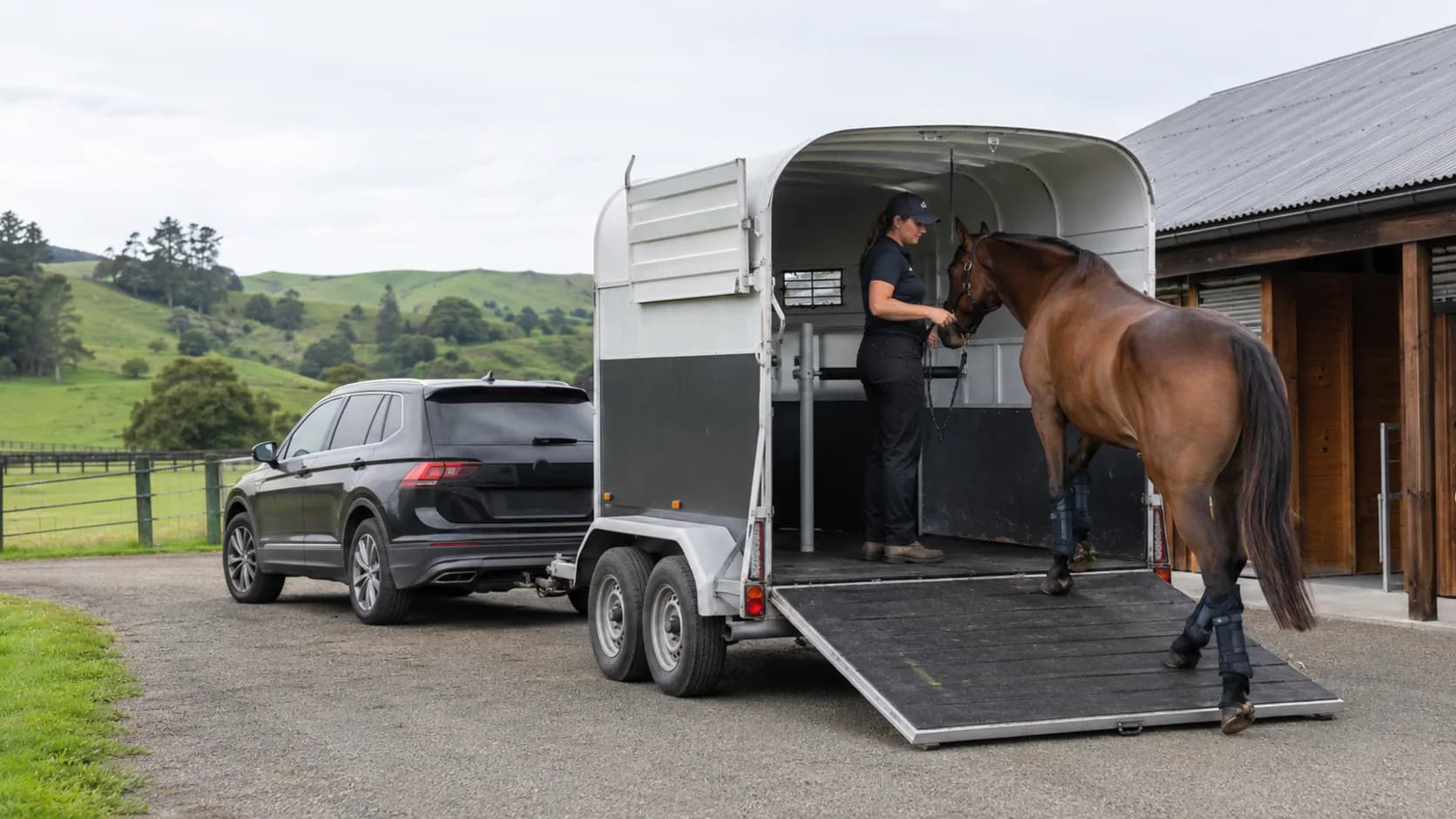
From a grazing block to the A&P showgrounds, give the float the full stretch it needs and keep the owner, horse and gate details together.
 Start with Google
- Rural job details in one booking
- Full-day and overnight spans
- Fortnightly pony club runs
- Districts selected for online work
- Itemised quotes accepted online
Bookings without the phone tag
The owner sends the paddock details
Your page takes the owner’s contact, service choice and one job address while the diary shows which float is genuinely available that day.
Learn moreA diary built around the tow home
Block the road time as well as the loading
A Waikato run that swallows the afternoon stays occupied until the rig is back, rather than leaving a tempting gap beside the job.
Learn moreLet the country road set the booking span.
Loading at a lifestyle block and towing home after the final class can consume the day. The timeline should show that honestly.
Busy until the rig is home
Reserve departure through expected return, so the float does not appear free while it is still coming back over the Kaimais.
Gate notes travel with the job
Keep the job address, mobile number and access instructions on the booking where the assigned driver can check them.
Capacity is chosen up front
Treat the single and two-horse floats as distinct services, preventing a larger load from being squeezed into the wrong option.
Show Saturday disappears once it is sold.
Confirmed time comes off the public page immediately, even when the owner booked the trip months before the event.
- Interstate journey · mare in foalPer journey$1,850
- Overnight spell and handling1 night$320
- Vet certificate collectionPre-travel$140
Out and back are two jobs.
A mare going to stud and coming home weeks later is two bookings on one owner, so the return is in the diary rather than a good intention.
Built for your runs
Built for every kind of float work
A move between grazing blocks
The booking keeps the owner’s mobile, the collection property and gate instructions in view before the ute turns off the sealed road.
Pony club every second Saturday
Set one fortnightly series for the regular rally day, then give it an end date when the club calendar finishes for the season.
The early start for an A&P show
Hold the float from loading time through the drive home, so a late ribbon class cannot collide with another owner’s afternoon request.
A Cook Strait sailing to meet
Reserve the complete travel span around the booked sailing and keep the confirmation beside the job rather than buried in a text thread.
One horse or room for two
Publish the single-horse and two-horse options separately, with capacity and pricing clear before the owner submits anything.
The clinic trip that cannot slide
A specialist appointment stays anchored to its named day while other customers only see time the assigned float can still cover.
A district beyond the usual circuit
Choose the districts you serve online, then add an exceptional long-distance run yourself when the week can carry it.
Waiting time agreed before departure
Send an itemised quote for transport and waiting, let the owner accept it online, and convert the agreed work into the booking.
Offer the districts the week can reach.
Online availability should reflect the country you routinely cover, without preventing you from accepting a special long haul.
Choose recognised boundaries
Select supported districts rather than describing a vague radius, so owners get a clear answer before they enquire.
Keep unsuitable runs off the page
A public request outside the selected footprint does not occupy a week that cannot realistically absorb the road time.
Make exceptions from the office
When an Otago run suits the calendar, enter it manually and reserve the real span without widening everyday online coverage.
- Grey Lynn8 districts · 2 crew
- Devonport7 districts · 2 crew
- Auckland North7 districts · 2 crew
Put the quoted day against the booking.
Long road time and waiting should be agreed before loading. Keep the accepted quote and manual payments with the job.
An itemised offer
Show the transport, waiting and other agreed charges separately, then retain the accepted version when work is booked.
Bank transfers stay visible
Record an owner’s transfer against the booking and leave any remaining amount open for the office to follow up.
Cash is not lost in a notebook
Mark a cash payment on the customer’s job so the completed run and its payment status reconcile in the same place.
- Hemi WalkerP-1011 · 25 Jun · Bank transfer$380
- Sarah ColemanP-1012 · 25 Jun · Cash$240
- Mere SolomonP-1013 · 28 Jun · Card$380
- James FifitaP-1001 · 27 Jun · Card$190
One app for the whole job
Everything you need to run your float transport business.
Starts free. Grows
only when you do.
Add your whole team and get booking for nothing.
As you grow with us you can go Pro.
Common questions.
Yes. Set the booking from expected departure through return, and that float stays unavailable to customers for the complete interval.
The public form captures one job address plus the customer and booking details. Add further route instructions to the job notes yourself.
Yes. Create a series on the selected weekday with a two-week interval, then stop it by date or after the agreed number of bookings.
Yes. Send the itemised quote for acceptance and turn the accepted work into a booking without retyping the agreed details.
Yes. Choose the districts you cover. You can still add a job manually when a run outside that footprint makes sense.
Reschedule the existing booking to the safer day, keeping its owner, price and notes attached instead of rebuilding the trip.