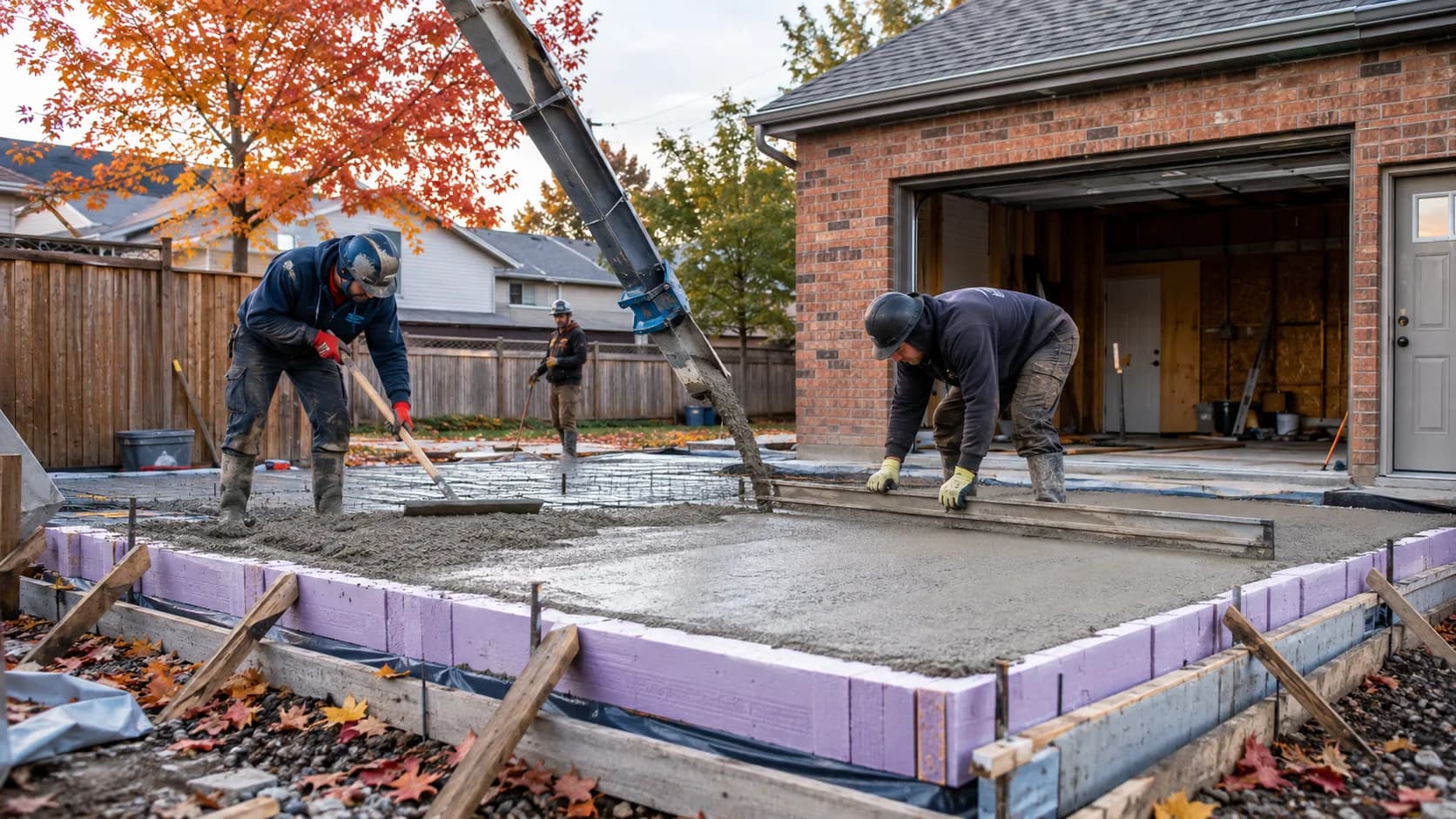
Software for concrete contractors in Canada.
Measure the job, send the estimate that evening, lock the pour and the prep days around it, and collect before the finish crew packs up for the day.
 Start with Google
- Measure-ups booked online while you are still on site
- Every finish priced beside the others on one quote
- Move the pour and the prep days move with it
- Cash and transfer recorded free, cards on Pro
- Free, up to 200 bookings a month
Online booking
Estimate visits that book themselves
Put the estimate visit online and it arrives with the address, the square footage and whether there is an old pad to break out first.
Learn moreSmart scheduling
One pour day, and everything behind it
Excavation, granular base, forms and rebar point at one morning, and the season gives you only so many. Book the pour and the prep lines up in front.
Learn moreWhen the pour season is already booked.
You get a few months to pour and a full calendar quietly loses the customers who would happily have waited for next spring. Let them ask.
Any chance of a price on a new driveway? There is an old slab out the front that would need breaking out first.
The enquiry lands anyway.
Nothing free until the middle of next month and the driveway still comes in, with the address and the size on it, ready for the first opening.
One driveway, three finishes, three prices.
Broom finish, exposed aggregate, or stamped with a border. Put all three on one page and let the customer choose the finish.
Three finishes on one quote, with Pro
Finish is an option group, so picking exposed aggregate moves the price right on the screen. Thickness, rebar, base depth and breaking out the old pad work the same way.
Square footage does the math
Enter the area and the rate handles the rest, so the estimate you write on the tailgate matches the one you would write at the desk.
Prep is its own line
Break-out, haul-away and granular base sit separately from the pour, which keeps a customer from thinking the concrete cost double.
The number holds
Document numbering is set once and does not shift, so the estimate you sent and the invoice that follows still point at each other.
- Exposed aggregate · 40m²Supply$4,800
- Excavate, form & prepLabour$1,650
- Pour, place & finish2 days$2,150
The quote they opened on Tuesday and never answered.
A slab quote is a few thousand of somebody's money, so it gets read twice and slept on. Seeing that it was opened is the difference between a follow-up call and a nagging one.
Sent, viewed, accepted
Each quote says which of the three it is and when it was last opened, so the ones worth a call are obvious at a glance.
Accepted becomes a pour date
The moment it is signed it converts into a booking, so nobody re-types a driveway into the calendar at nine at night.
An expiry, because concrete moves
Put a date on the quote and a rate you wrote in autumn cannot be held against you in the spring.
- Émilie TremblayBooked just now$215Accepted
- Ryan MacLeodOpened 2h ago$480Viewed
- The Oak CaféSent yesterday$120Sent
Every pour you do
Built for driveways, slabs and everything poured around them
Concrete driveways
Priced by square footage with the apron and the slope to the street as options, so a steep lot does not price like a flat one.
Garage pads
Square footage and thickness set the price, and the visit to check grade and granular base is booked before a truck is committed.
Exposed aggregate
A finish upgrade on the same area, with the stone as its own option so the customer sees the cost before they choose the look.
Sidewalks and walkways
Small work that fills a half day. Slot ranking on Pro puts it beside a pour you already have going instead of across the city.
Frost footings and piles
Booked as a run of days rather than one visit, so the dig, the inspection and the pour each hold a slot the builder can look at.
Basement and shop floors
Priced per square foot with the finish level as an option, and the return visit for saw cutting booked before you leave the site.
Steps and landings
Quoted off the number of risers as line items, so a customer can drop one and see the price move rather than asking for a new estimate.
Break out and replace
Demo, haul-away and pour go in as separate visits, which is the only way a two-week job reads honestly on a single estimate.
Saw cutting and sealing
Booked back onto the job days after the pour, so the return trip is on the calendar before the crew has finished loading up.
Grinding and resurfacing
Priced per square foot off the existing slab, with crack repair as an option, because the count never comes through on a phone call.
A pour day that moves in one piece.
Every concrete day is a chain: excavation, base, forms, rebar, trucks, finish. Move one link and the rest has to come along with it.
Move the pour, move the run
Prep in front and saw cutting behind stay attached to the job, so a bad Tuesday is one change instead of four phone calls.
Your crew sees it change
The new time hits their phones before you put yours down. Nobody drives out to a formed pad you cancelled last night.
Free on every plan
Moving work around the day never costs anything. Automating what fills the gap it leaves is the part that sits on Pro.
Get paid before the crew packs up.
The week between stripping forms and getting paid is usually a week where nobody does anything about it. Close it on the day.
Cash and transfer are free
Record what came in against the job on any plan. Nothing about the free plan gets between you and collecting your money.
Cards come with Pro
Text the link while the finish is still setting up and watch it clear. No card reader to hunt for, no invoice riding in the truck.
Staged when the job calls for it
Excavation and pour can each carry a payment request on Pro. They come after the booking, never at the moment a date is picked.
- Émilie TremblayP-1011 · 25 Jun · Bank transfer$380
- Ryan MacLeodP-1012 · 25 Jun · Cash$240
- Priya SandhuP-1013 · 28 Jun · Card$380
- Jacob WongP-1001 · 27 Jun · Card$190
- Roncesvalles8 regions · 2 crew
- Riverdale7 regions · 2 crew
- Toronto North7 regions · 2 crew
The neighbourhoods your trucks actually reach.
Ready-mix has a delivery radius whether you want one or not, and a job an hour out of town costs you a truck, not just a drive.
One app for the whole job
Everything you need to run your concreting business.
Starts free. Grows
only when you do.
Add your whole team and get booking for nothing.
As you grow with us you can go Pro.
Common questions.
No. Concrete contracting is licensed provincially and municipally rather than nationally, so what you need depends on where you pour. The work itself is built to CSA A23.1, Concrete materials and methods of concrete construction, which covers residential concrete as well as the structural side. This handles estimating, pour dates and payment, not compliance.
Yes. Area is one of the pricing drivers, so a 600 square foot driveway and a 400 square foot garage pad come off one rate. Thickness, rebar, air-entrained mix and finish sit on top as options that each move the total.
By seeing the whole thing at once. Every booked pour, every prep day and every gap sits on one calendar, so when the ground opens up in spring you are filling real gaps rather than guessing at how full you already are.
Move it to the next workable day. The customer is notified and the crew sees the change on their phones. Nobody drives out to a formed pad you cancelled the night before.
Yes. Cash and bank transfer are recorded by hand on any plan, free. Card payments come with Pro, so you can text a link from the driveway and watch it clear before you pull away. Staged payments across excavation and pour are Pro too, and they come after the booking rather than at checkout.
Yes. Tax is a setting on your account and on each service, so estimates, invoices and receipts all carry the same treatment. Turn it off and nothing on the document refers to it.
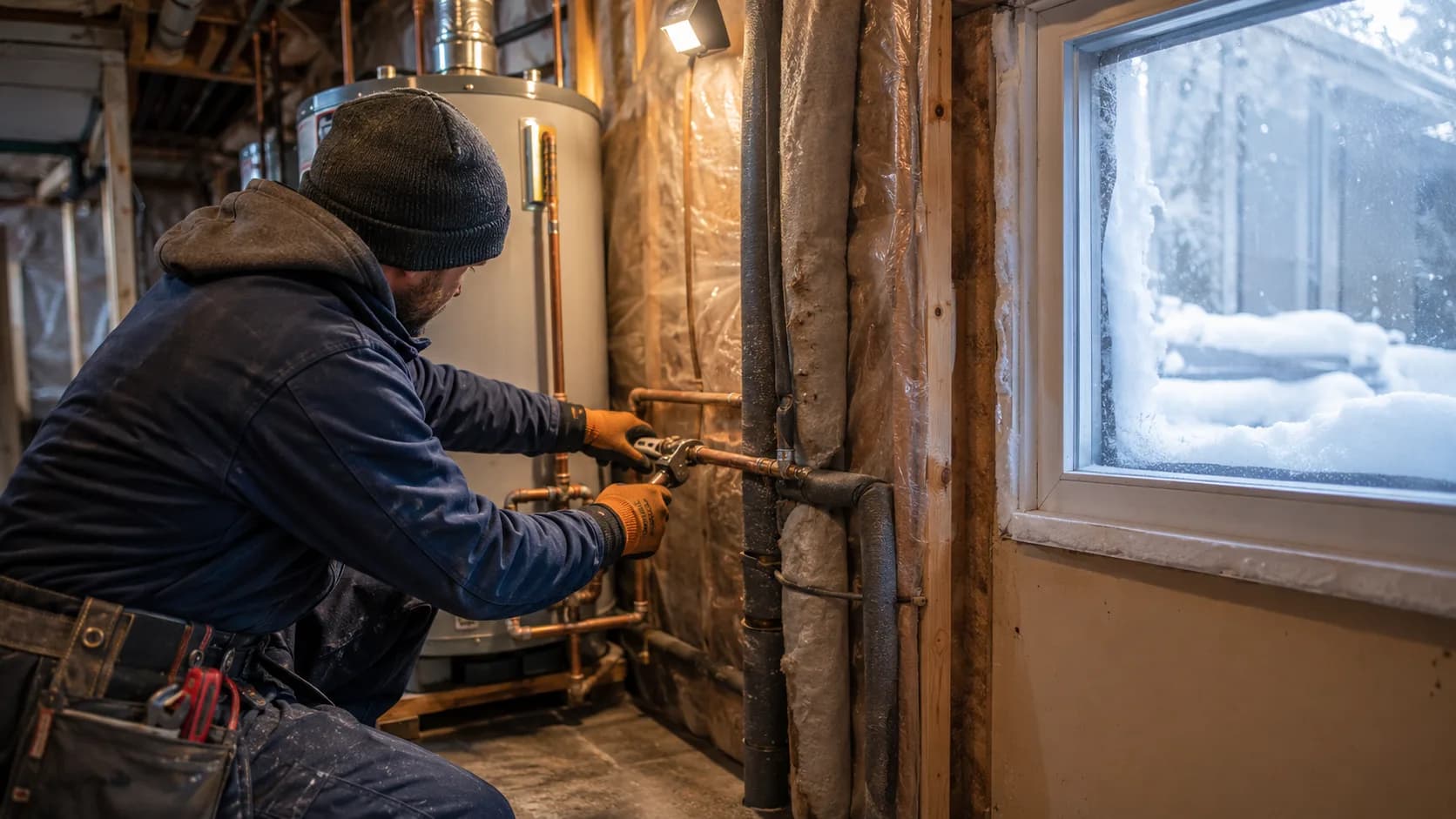


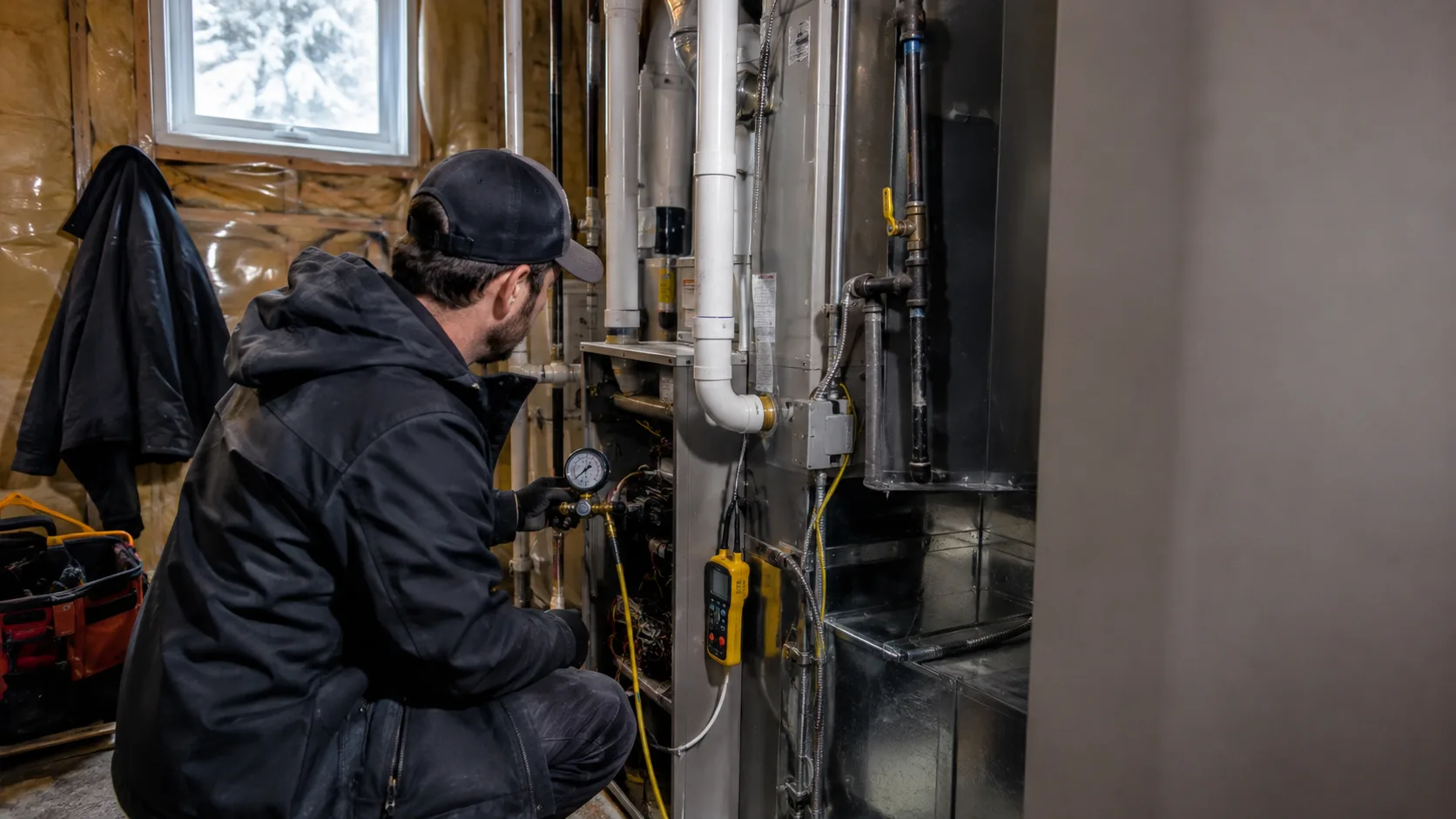
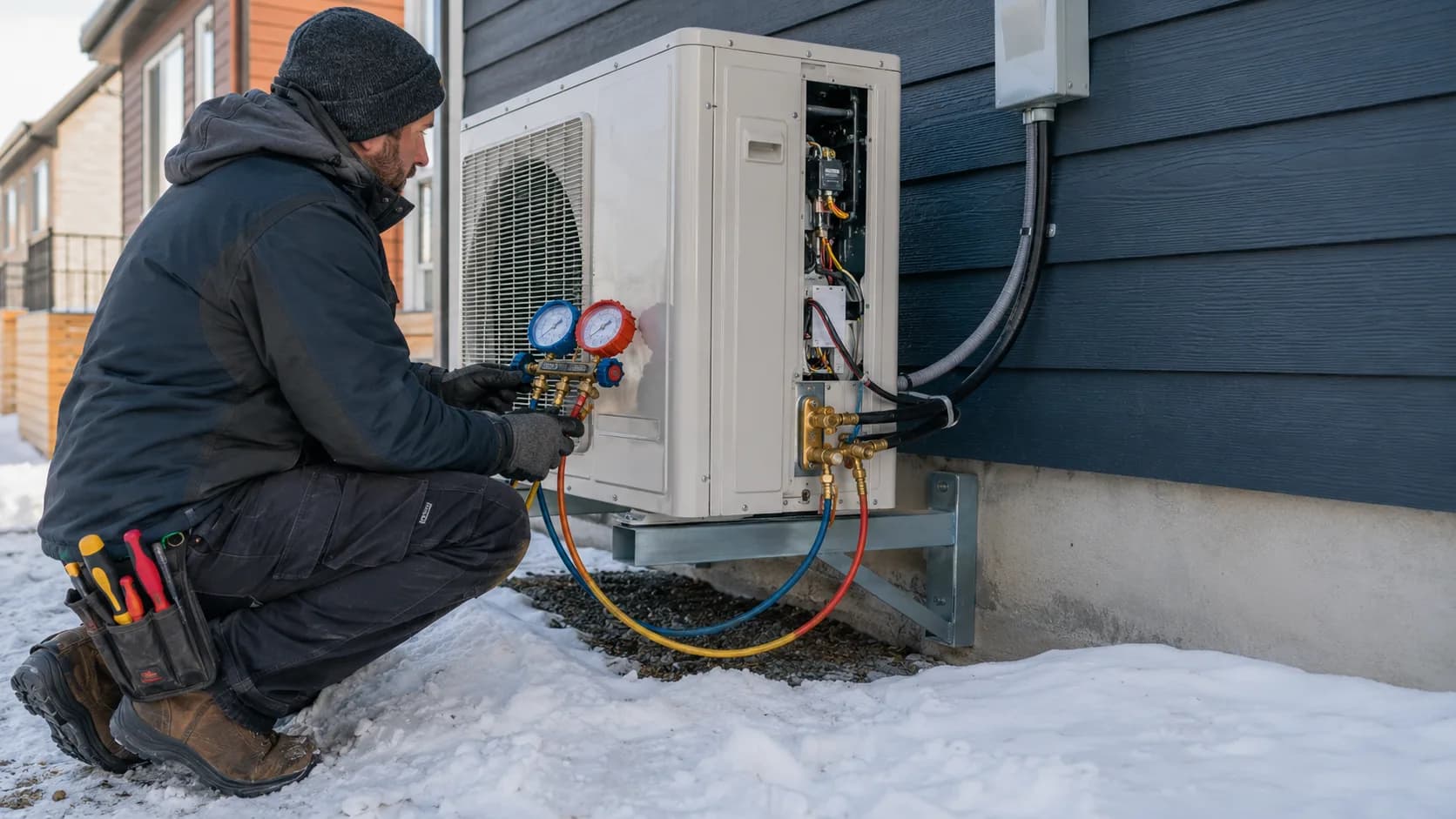
Concreting guides
All articlesOnline booking vs phone booking: which one actually gets the job booked?
Compare online and phone bookings for service businesses, with a practical way to handle standard jobs, tricky enquiries and customers who prefer a call.
ReadFully booked? How to keep the lead without promising the impossible
Handle enquiries when your diary is full with clear requests, alternative times and a practical manual waiting list that avoids double bookings.
ReadBooking deposits: enough to make it real, not a hostage negotiation
Choose booking deposits that fit your work, explain the balance and cancellation terms, and understand how deposits differ from refundable security bonds.
Read