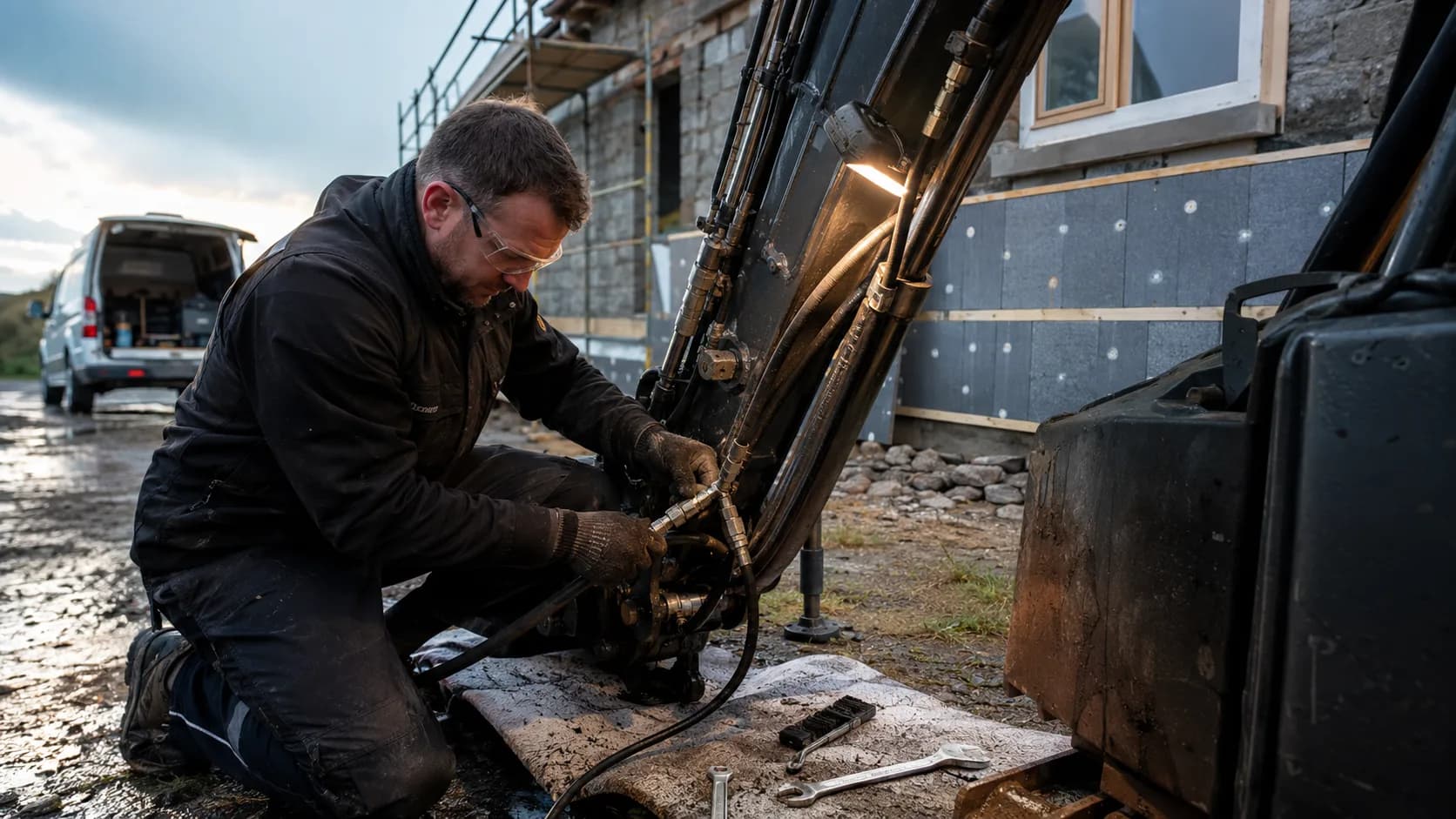
Booking software for mobile hydraulic hose repair in Ireland.
The teleporter is stopped in the middle of silage and the whole outfit is waiting on it. Take the callout at any hour, from a yard rather than an address, and give an hour rather than a promise.
 Start with Google
- Genuine next-slot booking, after hours included
- Locations that are a gate or a pin, not a street number
- Fittings and hose specs kept against the machine
- The operator calls, the head office is billed
Online booking
An hour, given rather than promised
The contractor rings three vans and books whoever commits first. Your page offers a slot you can genuinely make, out of hours included.
Learn moreSmart scheduling
A day that rarely survives the morning
Two planned changeouts and a slurry tanker that lets go by eleven. Move things about on one board and everyone booked is told for you.
Learn moreWhat is still stopped, and where it has got to.
A hose van does not run a diary, it runs a list of machines that are not working. Called in, rolling, on site, going again: the stage is what the contractor rings to ask about, so it is the first thing the page shows.
The van that commits to an hour wins.
Pro scores your open slots by the driving each one adds, so the hour you commit to in the middle of the night is one you can reasonably keep.
Ranked by the running they add
Open slots come back in order of how much extra driving each one puts on the van, with the least worst marked, rather than as a flat list.
Your hours, the night ones included
Availability is what you set. Run a twenty four hour phone and the page offers night slots; if you do not, it says so rather than guessing.
Sized to the job being booked
A roadside tanker hose and a full fleet changeout are not the same length, so the slot offered is the length of the one they picked.
- NDNiamh DoyleToday · 15:45Best+8 min
- SGSeán GallagherToday · 14:30+22 min
- OKOrla KavanaghTomorrow · 09:15+35 min
The address is a yard and a gate.
A good deal of your work has no address worth typing. Take the gate and the landmark, and keep the site under the customer so the next call knows the way.
A gate and a landmark, not a postcode
Nearest address plus what actually gets you there: which gate, which yard, who holds the key and whether the boreen takes a van.
The site sits under the customer
One contractor, five yards. Each keeps its own access and induction notes rather than everything living in one long note on the account.
Where you will drive, and where you will not
Set the areas you cover. Anything beyond them is turned away on the page rather than appearing in the run and being unpicked later.
- Drumcondra8 counties · 2 crew
- Clontarf7 counties · 2 crew
- Dublin North7 counties · 2 crew
Booked at twenty past two, from a gate.
No callback, no haggling over a rate at that hour. A time, a machine and directions somebody can actually follow in the dark.
- 14 MarBoom cylinder hoseTwo-wire · ORFS 90°
- 2 MarPayment receivedSettled by the office
- 8 FebShutdown changeoutQuoted · six hoses
- 21 JanTrack motor lineFour-wire · JIC 37°
The machine remembers what you made up.
Hose spec, fitting type and pressure rating sit against that unit, so the next call about it is a two-minute stock check instead of a guess.
- NDNiamh DoyleMon–Fri · 8–5On
- SGSeán GallagherTue–Sat · 9–6On
- OKOrla KavanaghMon–Fri · 9–5Off
Who is on the phone tonight.
A second van is only worth having if the callout reaches whoever is actually on. Each fitter has their own hours, and the board honours them.
Built for your trade
Built for the machines that actually stop
Silage harvester or wagon in season
Three days of weather and no spare unit. The field, the gate and the boreen in all go on the job rather than into a phone call.
Teleporter stopped in a yard
Short, urgent and constant. Booked into a genuine gap rather than squeezed in and then quietly forgotten about by evening.
Slurry tanker and spreading gear
Seasonal, filthy and time-bound. Held under the farm with its own history rather than mixed in with the contractor fleet work.
Digger down on a groundworks job
The work that pays the van and cannot wait for morning. Booked at a real next slot instead of promised a call back.
Timber harvester or forwarder on a plot
A crew and a truck standing while it is stopped. The track notes matter every bit as much as the fitting does.
Tipper lorry ram, roadside
Often needing shifting before it can be worked on properly. The haulier stays one customer with each vehicle held beneath it.
Quarry loader and fixed plant
The quarry keeps its own access and induction notes, so a second stoppage there does not begin with a call about the gate.
Planned replacement before the season
The work that pays properly. A fleet through the yard with hoses replaced before they fail, booked ahead and quoted as a block.
A hose gone on a silage harvester.
Three ways to price the same stoppage: get it cutting again, do the pair that always go together, or go through the machine before next season.
Priced off what you actually crimped
Hose length, fitting type and pressure rating are their own lines, so a queried figure traces back to the metre it came from.
Cutting again, or done properly
The failed hose alone beside the pair that always go together, so the contractor chooses while the machine is still stood there.
Sent from the yard, not the shed
The quote leaves your phone before you are back on the road, which tends to be before the office has finished writing the job up.
Extras priced as options · Pro
Out-of-hours loading, a longer hose run, ORFS instead of BSP, a second hose off the same block. Ticking one moves the quoted total rather than requiring a re-type. Priced options come with Pro.
- Emergency hose repairExcavator #4€420
- Scheduled hose replacementFleet shutdown€1,860
- After-hours calloutApplied€180
You are already under another machine.
With nothing left tonight the page takes the job regardless, so the contractor is talking to you rather than working down a list of vans.
The callout arrives as a thread
Machine, yard, what let go and a photograph of the fitting in one place, so you can judge the urgency without ringing back from under a digger.
Answered from the job, not your texts
Reply from the record. What you told the driver at midnight is still there when the office queries the docket a fortnight later.
Slotted the moment one frees
A changeout that finishes early is a gap you fill from the same screen, and the confirmation sees itself out without your help.
Excavator has dumped its oil off the boom line and we are stopped in the pit. Anything at all tonight?
The driver rings, the office settles.
Cash and transfers you record by hand cost nothing on any plan. Cards come with Pro, and nothing sits in a Bookables account on the way through.
Cash and transfer are free
Mark the job paid when the transfer lands. That costs nothing on any plan and it is not quietly moving behind a paywall later.
Cards come with Pro
The payment request is emailed to the account contact on the file, which is seldom the person who rang you from the cab at three.
The account carries the history
Every callout for that contractor sits on one card, so a bill queried in winter has the machine and the night it came from beneath it.
- Aoife ByrneP-1011 · 25 Jun · Bank transfer€380
- Cian MurphyP-1012 · 25 Jun · Cash€240
- Niamh DoyleP-1013 · 28 Jun · Card€380
- Seán GallagherP-1001 · 27 Jun · Card€190
Starts free. Grows
only when you do.
Add your whole team and get booking for nothing.
As you grow with us you can go Pro.
One app for the whole job
Everything you need to run your mobile hydraulic hose repair business.
Common questions.
If those are hours you work, yes. Availability is yours to set and can run through the night, so the page only offers callouts you will genuinely turn out for.
Take the nearest address you can get and put the gate, the pin and the landmark on the job. The site is kept under the contractor, so the next callout there begins with the way in written down.
They can. Each teleporter, tractor or harvester is its own record under the customer with its own history, so what you made up last season is there when it goes again.
It can. The payment request is emailed to the account contact you nominate, which is seldom the person stood beside the machine, so nothing rests on a docket surviving the cab.
Set the areas you cover and leave the rest out. Anything beyond them is turned away on the page rather than appearing in your run at midnight and being unpicked by phone.
Yes. A fleet gone through before the season sits on the same board as tonight’s failure, quoted as one job with a line per machine, so the planned work does not always lose to the urgent.
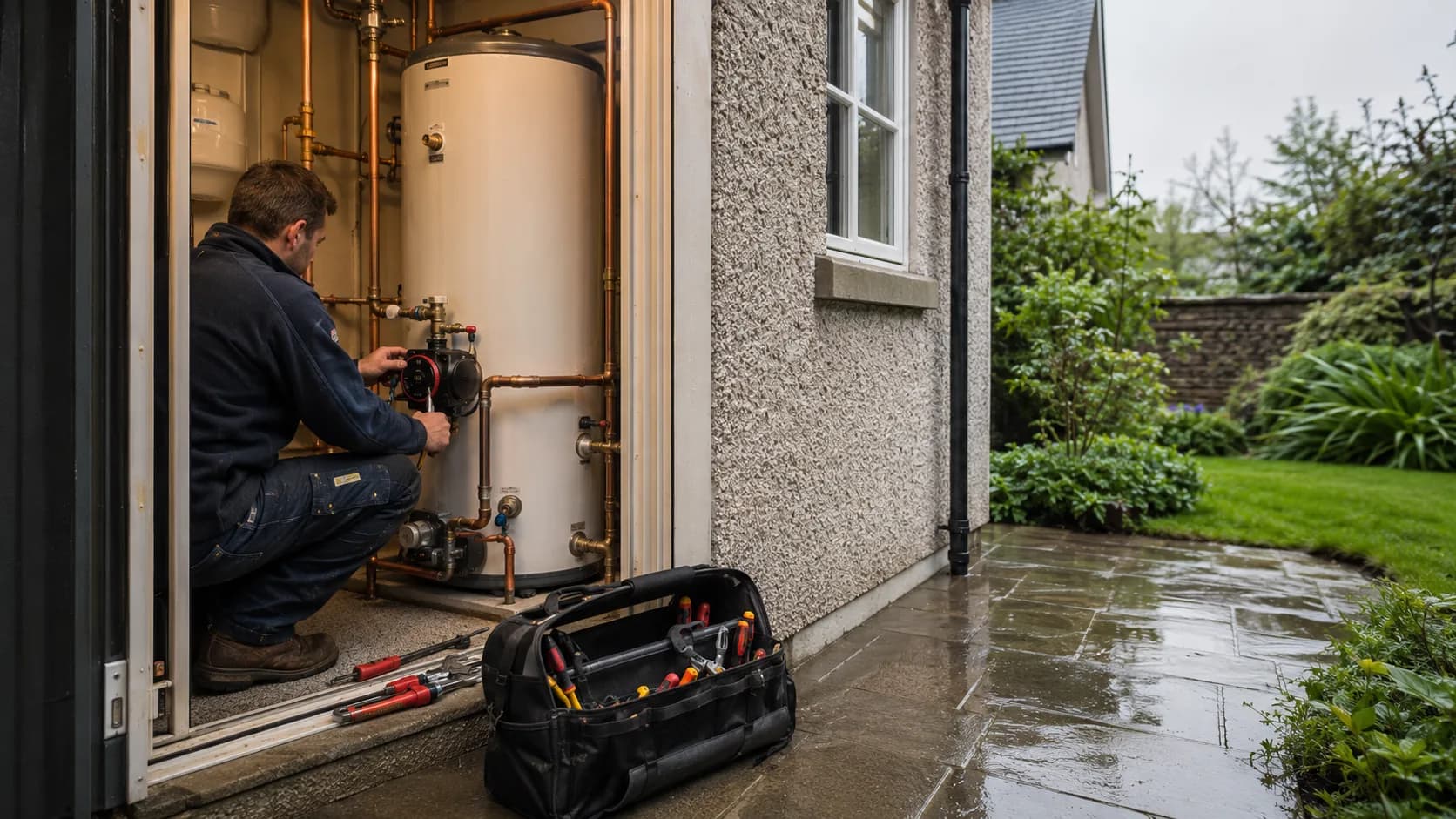


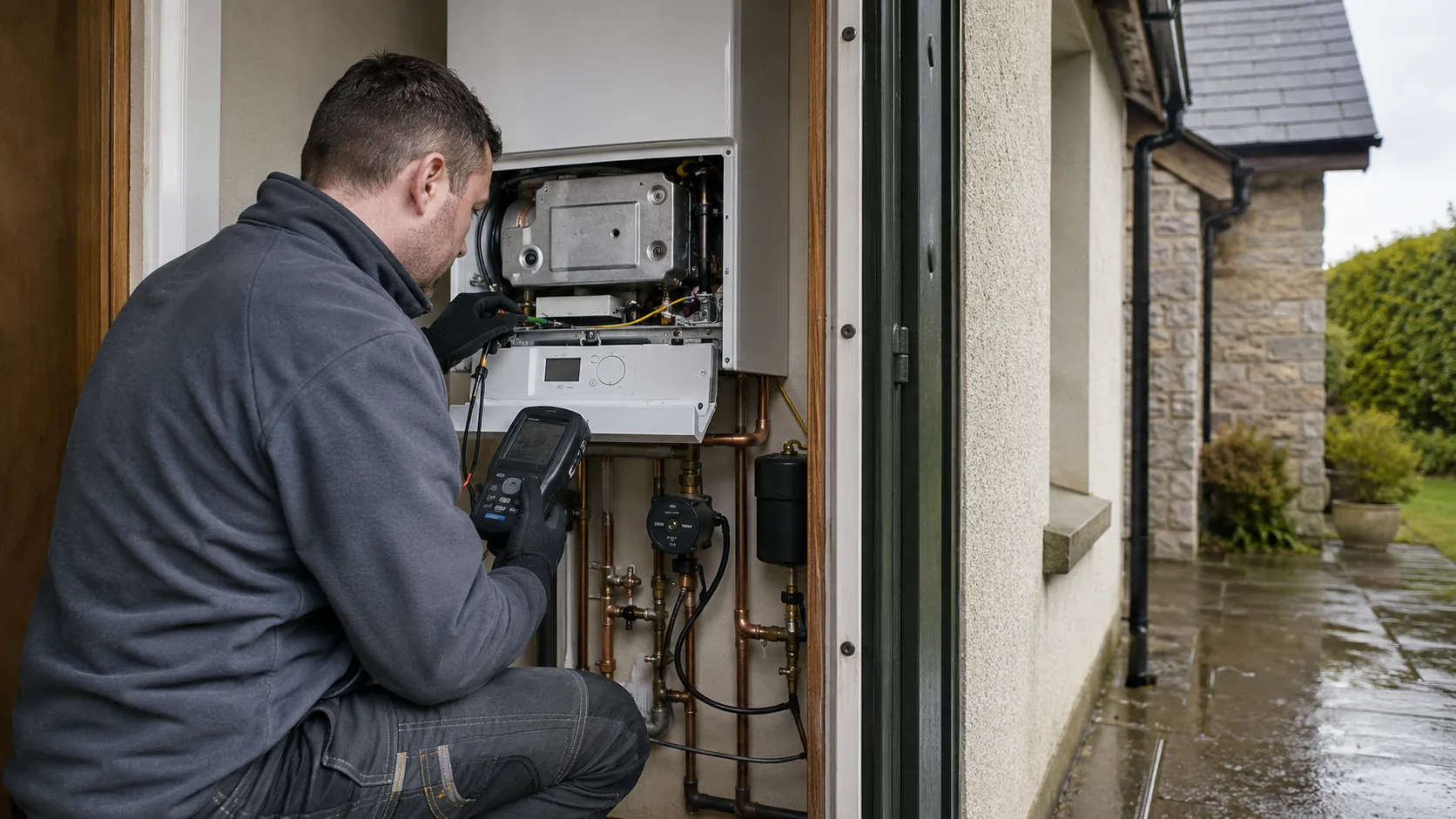
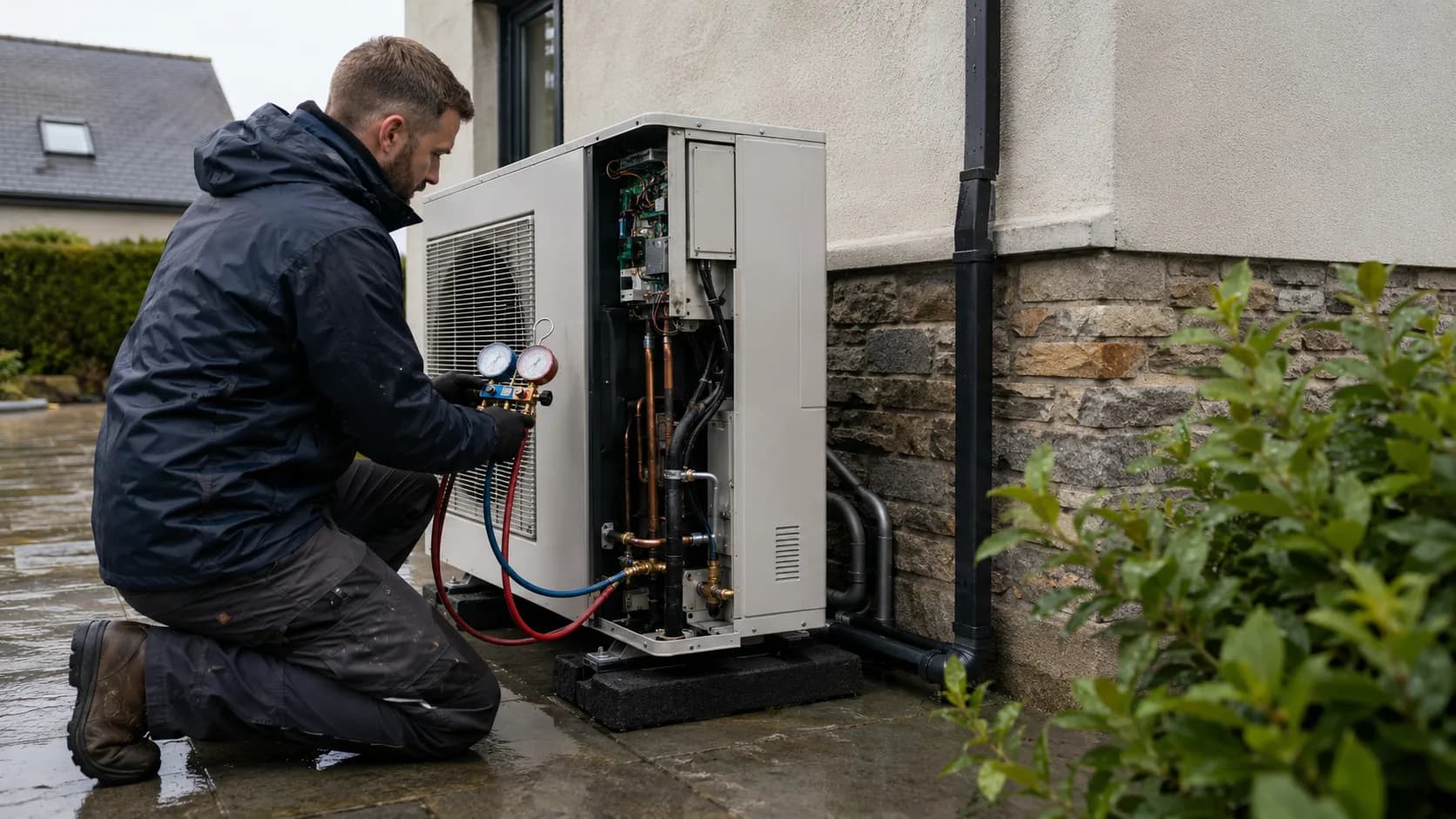

Mobile Hydraulic Hose Repair guides
All articlesOnline booking vs phone booking: which one actually gets the job booked?
Compare online and phone bookings for service businesses, with a practical way to handle standard jobs, tricky enquiries and customers who prefer a call.
ReadFully booked? How to keep the lead without promising the impossible
Handle enquiries when your diary is full with clear requests, alternative times and a practical manual waiting list that avoids double bookings.
ReadBooking deposits: enough to make it real, not a hostage negotiation
Choose booking deposits that fit your work, explain the balance and cancellation terms, and understand how deposits differ from refundable security bonds.
Read